
 Posted by
 I have to tell you, there is a certain kind of magic that happens when you are standing on a cold sidewalk in December, your breath making little clouds in the air, and you hear that first, far-off note of a marching band tuning up. It is a feeling I have known since I was a kid, dragging my mittens along the metal barrier, and honestly, it never gets old.
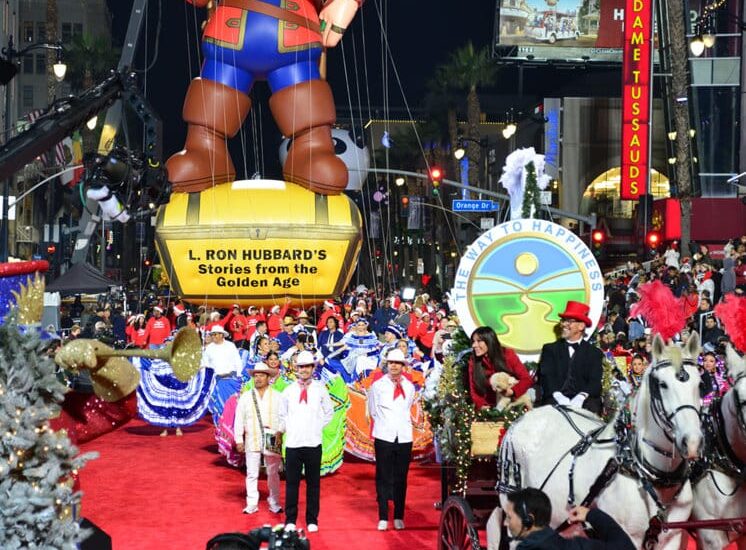
The collective shiver of anticipation that runs through the crowd, the way parents hoist toddlers onto their shoulders, the distant speck of a police cruiser’s light leading the way it all builds into something I can only describe as pure, unscripted joy. This is not just a show; it is a holiday tradition that stitches our community together, one float and one song at a time.
Let us talk about the music first, because for me, that is the heartbeat of the whole event. There’s a raw, thrilling energy to live holiday music during a Christmas parade that recorded sound systems can never hope to capture. You do not just hear it; you feel it. The deep, resonant thump of the bass drum seems to vibrate up from the pavement right through your boots. The sharp, clear call of the trumpets cuts through the chilly air, and there is something incredibly powerful about watching a high school marching band, dozens of musicians moving as one, their breath visible as they play. They have practiced for months, and you can feel their pride.
Is there anything more nostalgic than hearing the opening bars of “Sleigh Ride” played live as it approaches you down the street? That connection, from their hard work to our shared experience, is where the real magic of Christmas parades begins. And then, of course, there are the floats. Oh, the floats! This is where creativity just explodes. I remember one year, our local hardware store built a float that was a working, miniature North Pole, complete with a tiny, smoking chimney. I must have been seven, and I was utterly convinced it was real. That is the power of a great float. Volunteers spend countless hours in draft warehouses, transforming flatbeds into snowy wonderlands or bustling toy workshops. They are not just decorations; they are stories rolling right past you.
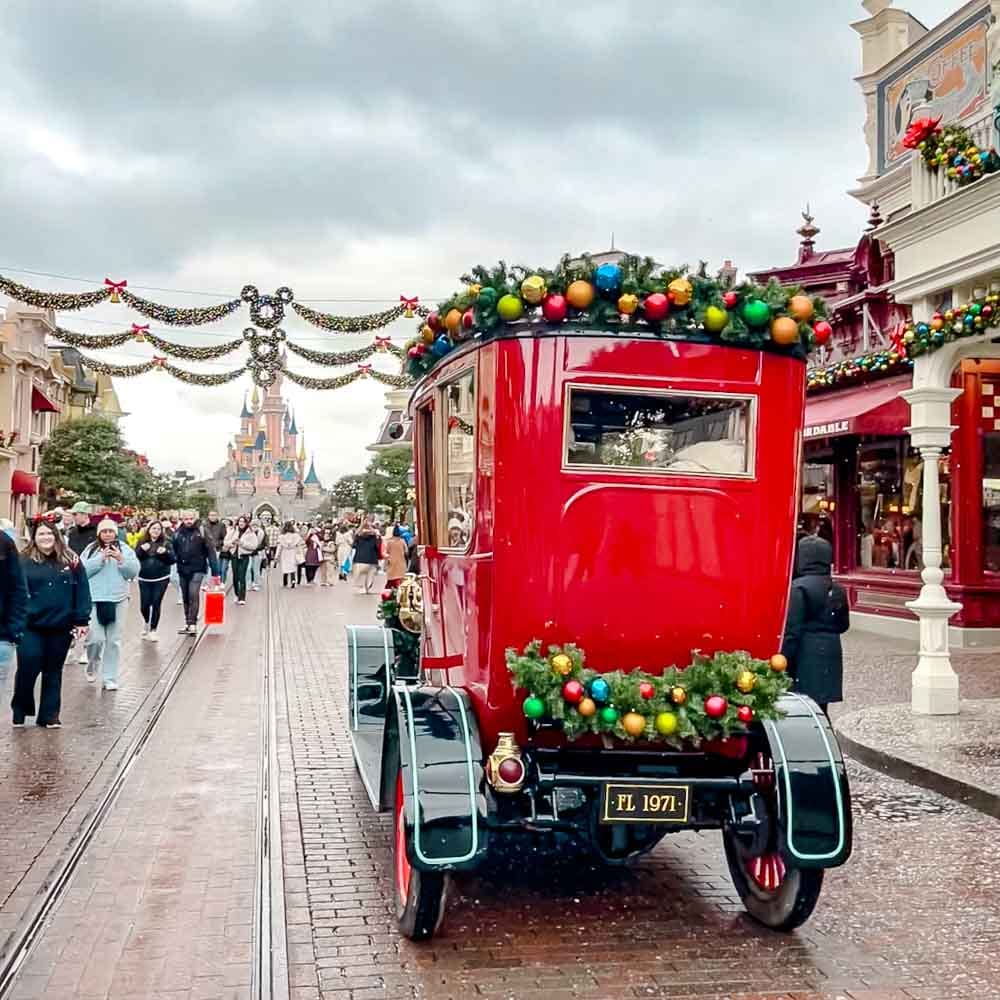
Some have moving parts: a waving elf, a nodding reindeer and when the parade is at night, the effect is breathtaking. Thousands of twinkling lights outline every detail, turning them into these glowing, ethereal visions against the dark sky. It is a spectacular holiday parade display that makes you feel like you have stepped inside a snow globe. But here is the thing I have come to love even more as I have gotten older: the people.
The community celebration aspect is everything. You see the local dance studio’s tiny ballerinas bravely twirling in the cold, the scout troops marching with flags, the rotary club waving from a float they built together. It is our town, or city, where on display our heart and soul. We arrive early, camp out with hot chocolate, and chat with neighbors we might not see otherwise.
In our increasingly digital, isolated world, these family-friendly holiday events force us to be present, together, sharing in simple, real-world wonder. And have you ever watched a child’s face when the final float appears? That wide-eyed, candy-clutching, absolute awe when Santa himself waves right at them? That look is the entire point. I would be remiss not to mention that these local Christmas parades do real good for our towns, too. They bring everyone downtown.
They fill the restaurants and shops along the route. They create a buzz and a positive energy that money cannot really buy. Yes, they are a logistical beast to organize, but the payoff that shared sense of place and joy is invaluable. So why, after all these years, do I still go? Why brave the cold? Because in the end, the best Christmas parade is not about perfection. It is about the slightly off-key trombone note, the float with the wobbling reindeer head, the shared laughter when candy gets tossed a little too hard.
It is a messy, beautiful, collective deep breath of happiness at the start of the hectic holiday season. For a few hours, we are all just kids again, waiting for the magic to turn the corner and come our way. And it always does. For a deeper look into the history and impact of community parades across the country, you can explore resources from the Library of Congress’s American Folklife Center, which documents these cherished local traditions.
References
Getz, D., & Page, S. J. (2016). Event studies: Theory, research and policy for planned events (3rd ed.). Routledge
National Endowment for the Arts. (2019). U.S. patterns of arts participation: A full report from the 2017 Survey of Public Participation in the Arts. https://www.arts.gov/sites/default/files/2017-sppapreviewREV-sept2018.pdf
Rossman, J. R., & Schlatter, B. E. (2015). Recreation programming: Designing and staging leisure experiences (7th ed.).